Off The Grid Picks a Side
By Alice
10 months ago
For much of its early life, Off The Grid felt like a game circling its own potential. The ambition was clear — cybernetic limbs, vertical combat, extraction mechanics within a battle royale — but it often struggled to define itself. Was it supposed to be approachable or punishing? Experimental or competitive? A sandbox or a proving ground? Too often, it tried to be all of those at once.
With the December 2025 update, that indecision ends.
This patch isn't just another tweak to gameplay. It fundamentally reworks the game’s core systems, its identity, and its ambitions. It marks OTG’s transition from early access chaos to a game with a clear vision and direction.
A Competitive Spine Emerges
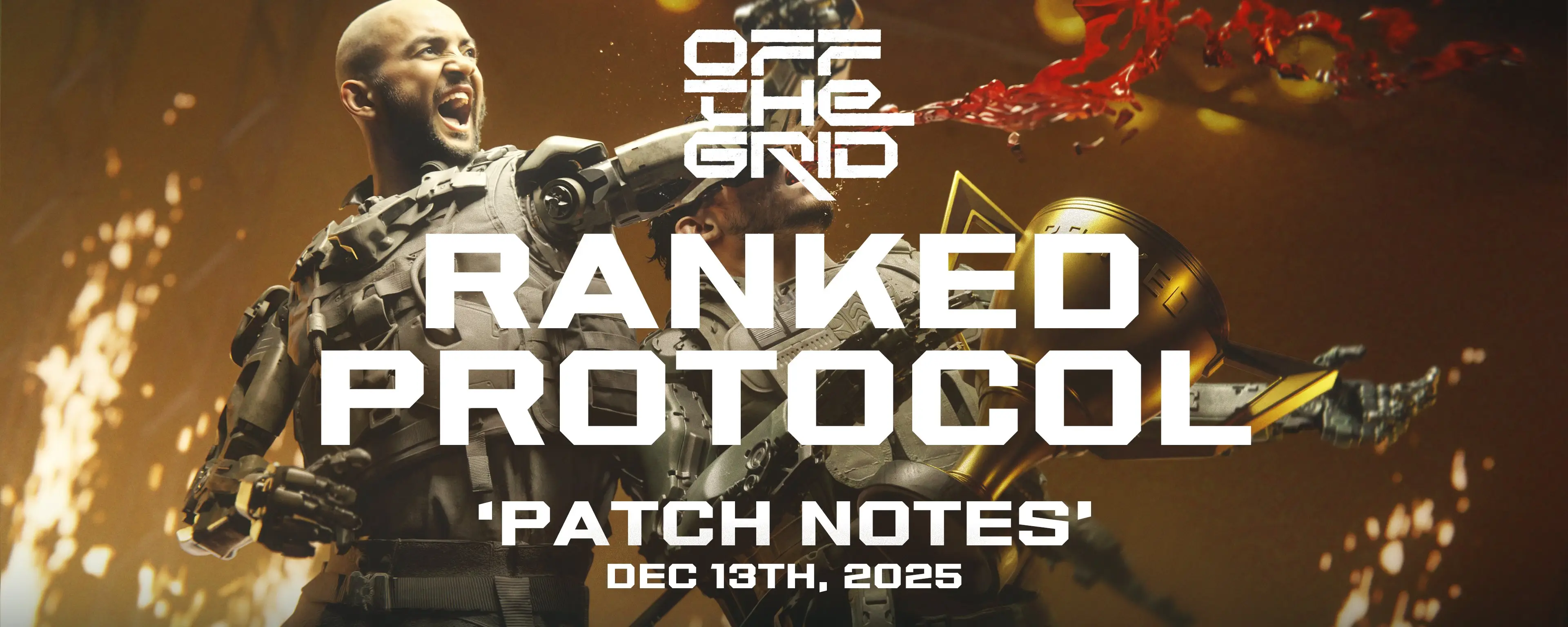
The introduction of Ranked Protocol is OTG’s most significant change yet, not because it adds competition, but because it clarifies what the game is truly about.
Until now, OTG’s competitive play existed without direction. It was there, but it wasn’t central. December changes that.
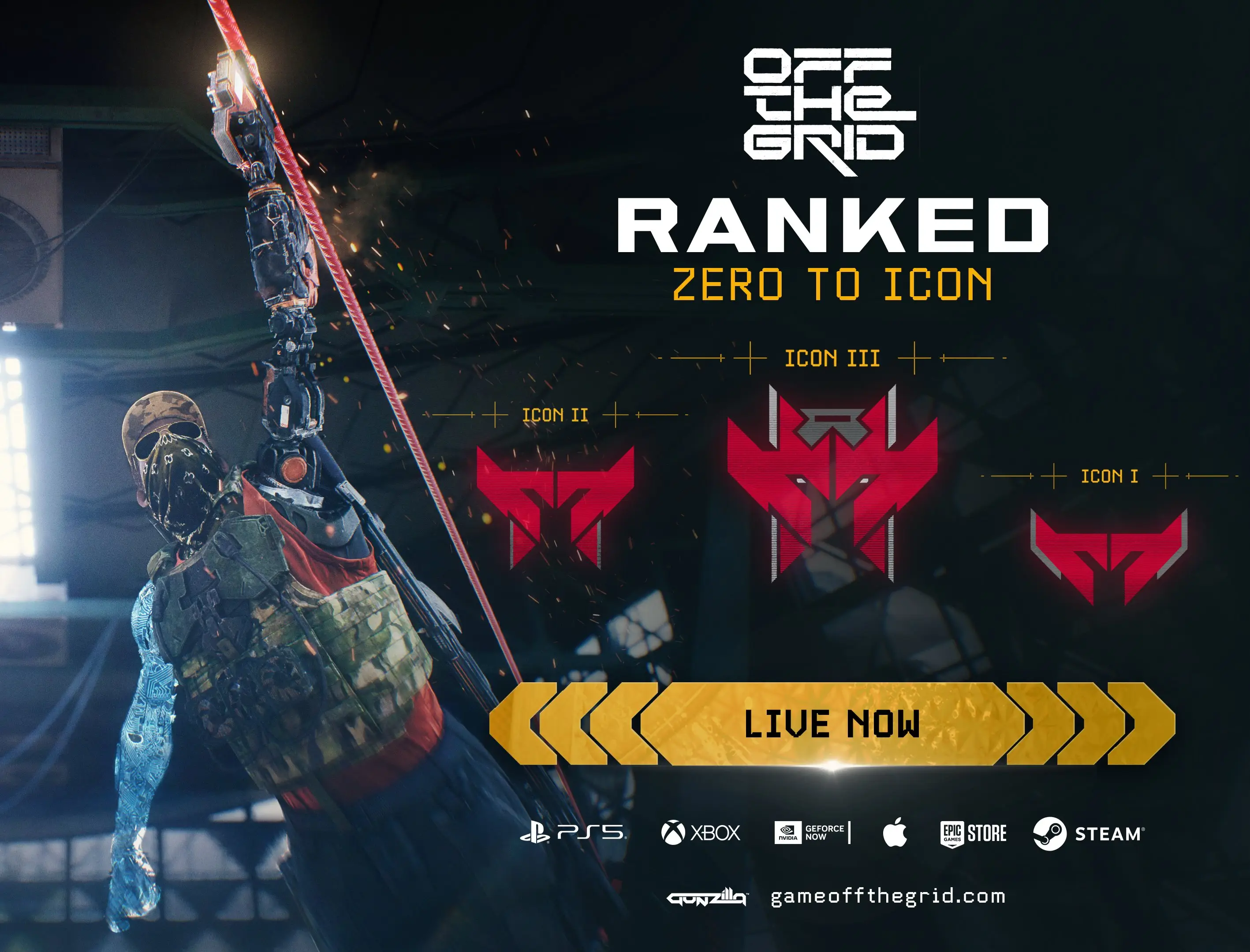
Ranked is no longer an alternative playlist; it’s a parallel version of the game with its own set of values. Fewer safety nets. Scarcer high-tier loot. Limited respawns. Mistakes matter. When you enter Ranked, the game stops cushioning your decisions.
This is critical. OTG’s biggest challenge was never balance; it was identity. The game was stretched between discovery and mastery, and neither fully landed. By separating Ranked and Casual Extraction, Gunzilla acknowledges that you can’t serve both in the same ruleset. Casual mode is for exploration and learning; Ranked is for testing systems under pressure. This duality doesn’t fragment the game. It sharpens it.
For a live-service shooter, this is a bold choice, but a necessary one.
Less Noise, More Accountability
December signals a shift away from spectacle as a crutch. Now, players drop into matches unarmed, redeployment tools are scarcer, and automatic respawns are cut earlier. High-value areas are more visible, and they defend themselves. The game no longer protects you from its own stakes.
Risk is no longer implied; it’s visible and tangible. Combat follows the same logic. Shooting calculations now come from the camera, not the weapon model, making firefights more predictable. Aim assist and jetpack movement feel tighter and more intuitive. Cyberlimbs no longer serve as burst damage tools; they’re now situational, rewarding timing and positioning.
This results in clearer combat. You understand why you lost a fight. You understand why someone else won it. That clarity does more for competitive integrity than any balance pass ever could.
OTG is no longer asking players to endure friction for novelty’s sake. Instead, it’s asking them to read the game and play it well.
Progression That Respects Time
Progression in OTG has undergone a quiet but crucial transformation. No more are players chasing gear-dependent challenges or grinding mindlessly for specific loot drops. The update introduces a more organic progression system. Item recycling now fuels meaningful loops, and boosters accelerate progress without dictating behavior. Advancement becomes something that builds over time, not something you occasionally stumble into.
This shift changes how effort feels.
Previously, progression rewarded coincidence. Now, it rewards consistency. Especially in Ranked, progress is about surviving pressure repeatedly and making smart decisions when mistakes matter. It respects the player’s time, without flattening the game.
Avalanche Exists Here for a Reason, Not as a Selling Point
Off The Grid’s use of Avalanche through the GUNZ subnet has always been understated. The December update doesn’t change that. It justifies it. With Ranked Protocol in place, item scarcity, extraction risk, and long-term progression are no longer theoretical. They’re structural. Once persistence matters, ownership starts to matter too.
Avalanche’s value here is not ideological; it’s practical. Fast finality, low latency, and scalability aren’t features to advertise — they’re essential for a system that supports a living economy without friction.
The key here is restraint.
Blockchain integration remains optional, invisible to players who don’t care, but structurally indispensable for those who do. OTG doesn’t lead with crypto jargon or force participation. Instead, it lets design create the need for it organically. That’s a rare approach in Web3 gaming, and it’s deliberate. Avalanche supports the game, not the narrative.
A Game That Has Finally Found Its Shape
The December 2025 update doesn’t make Off The Grid complete. It makes it committed.
Ranked gives the game a spine. Systems stop absorbing mistakes for free. Progression rewards sustained intent. Avalanche underwrites persistence without demanding attention. For the first time, OTG feels less like a collection of ambitious mechanics and more like a world with rules that intend to last. Early access is no longer a safety net. It’s a phase the game is actively leaving behind.
That’s the real significance of this update.
Not the features. Not the tech.
It’s the fact that Off The Grid has finally chosen what it is willing to be.