From Endings To New Beginnings
By Alice
10 months ago
Removing the Language Barrier
We’ve added automatic Portuguese–English translation to Tempest Labs. Not as a feature announcement, but as a correction.
A large part of Web3 discussion still happens behind language walls. Information exists, but largely for those already fluent enough to access it. That leaves entire regions actively participating in the ecosystem while consuming analysis second-hand, filtered, or late.
This change removes one of those barriers. Portuguese-speaking readers can now access Tempest Labs’ coverage directly, without relying on summaries or reinterpretations. English-speaking readers gain clearer visibility into a market that is active, opinionated, and often overlooked.
This is the first step. Additional language support will follow.
Accessibility here is not about simplification. It is about allowing more people to enter the conversation at the same depth.
The Cost of Staying In
Cambria’s Season 3, The Depths Below, was positioned as a shorter, sharper cycle than previous seasons. The schedule reflected that, opening in early December and running for roughly ten days. Even on paper, it was compressed.
In practice, it felt heavier.
As the season entered its final days, community discussion across X shifted in tone. Many players felt this was the hardest Cambria season so far, not just in difficulty, but in how unforgiving its systems felt once pressure set in.
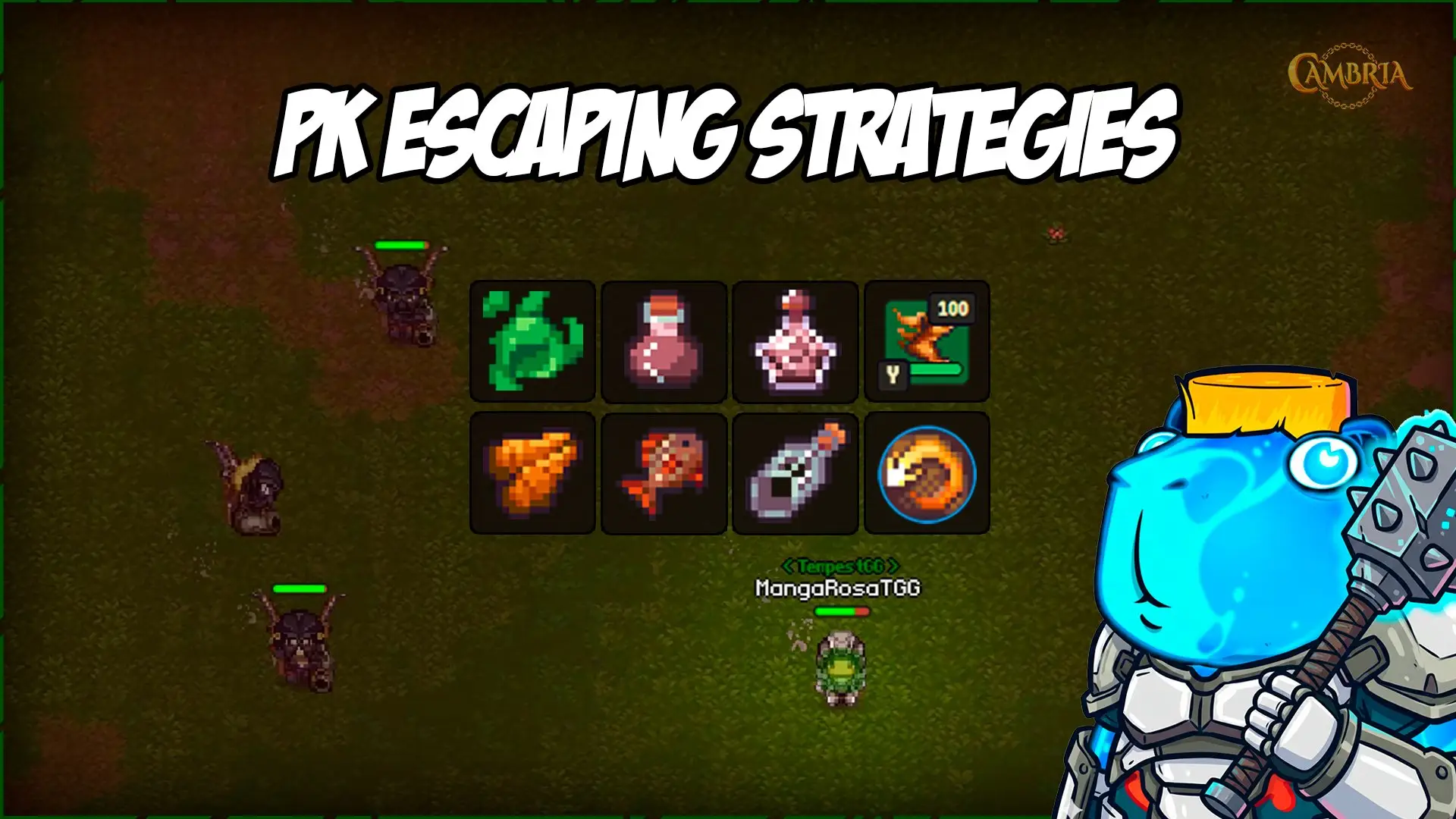
A recurring point in player feedback was that the intensity came less from the shorter duration and more from how risk and reward played out moment to moment. Deeper zones and more aggressive encounters made extraction runs feel punishing rather than tactical. In many conversations, players described reaching a point where survival became the primary objective, not earning. Losing a run late could erase hours of progress, and that reality reshaped how people played.
This tension dominated the final stretch. Players debated whether pushing deeper for higher multipliers was worth the risk, or whether cashing out early was the only rational choice to protect what they had already secured.
Energy management quickly surfaced as another major pain point. In earlier seasons, players could plan longer excursions with a sense of stability. In Season 3, higher burn rates in dangerous areas combined with tighter regeneration margins forced frequent retreats. Long-time players repeatedly described runs as gambles with limited upside and harsh penalties for failure. The repetition of this concern across the community made it clear it was not isolated frustration.
Leaderboard pressure added another layer. With a shorter season window, competition condensed rapidly. Many players felt that only highly coordinated groups could realistically compete for top-tier rewards. Others described feeling locked out early, pushed into safer, lower-yield loops with little chance of meaningful upside. Leaderboard competition has always been part of Cambria’s identity, but this season amplified the gap between those positioned to take risks and those who were not.
There were also consistent critiques around clarity. New mechanics were introduced, but many players felt documentation and tooltips did not adequately explain systems like heat indexing or corrupted loot behavior. That lack of clarity created early confusion, which many felt directly impacted performance and enjoyment in an already compressed season.
Taken together, the feedback tells a consistent story. Season 3 increased challenge and complexity faster than many players could reasonably adapt, especially given the limited timeframe. The community response was not just about difficulty in the abstract. It was about misalignment between effort, risk, and reward, and about how quickly that misalignment became visible once the season clock started running out.
The Work Between Nostalgia and Launch
If Cambria’s final days were defined by pressure, Ragnarok Landverse Americas is being shaped by something quieter, but just as important: responsiveness.
Over the past days, the Landverse Americas team has been consistently posting on X about quality of life adjustments, clarifications, and upcoming refinements. Not framed as hype, but as iteration. Short updates. Specific points. Direct references to player feedback. That rhythm matters.
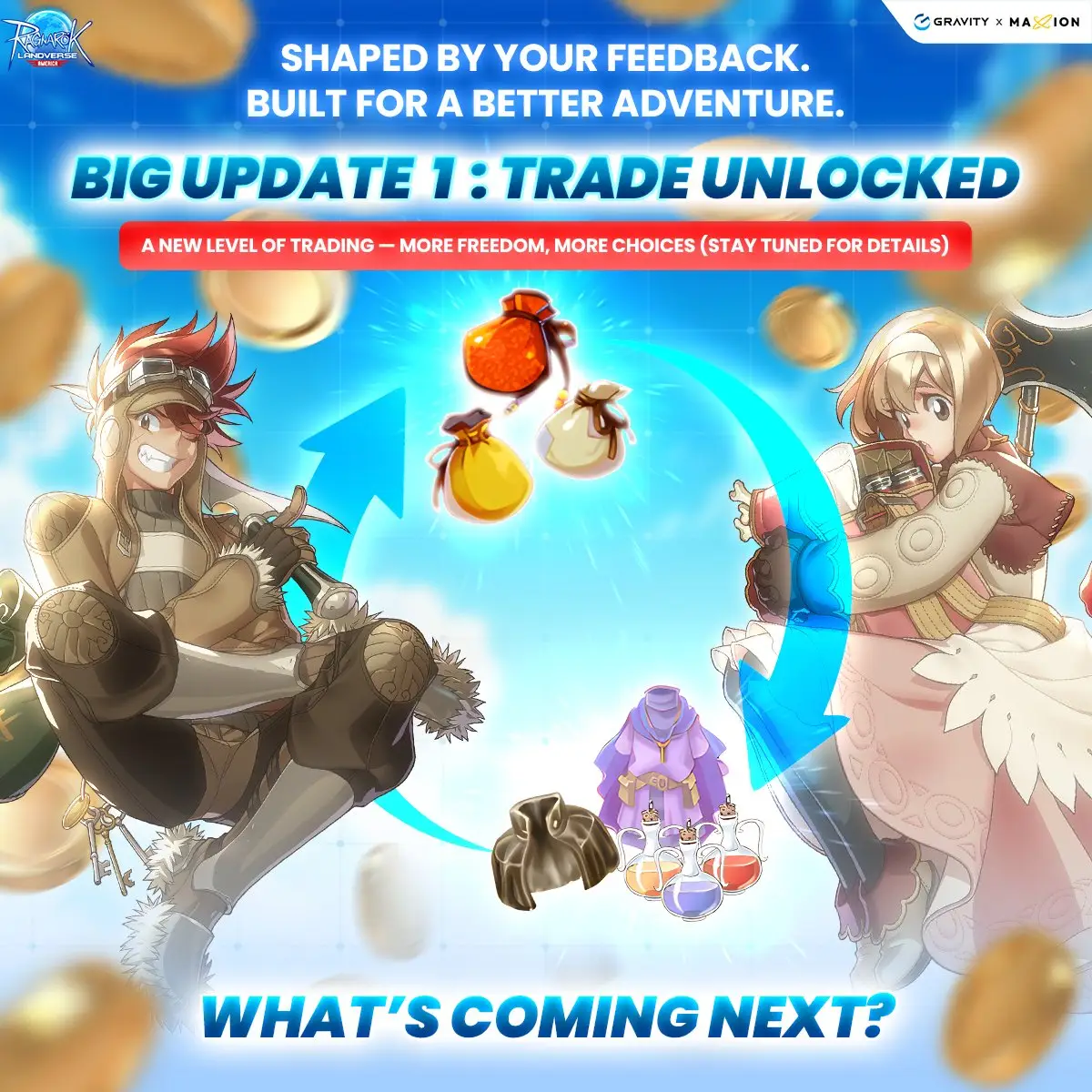
A recurring theme in community replies is that many of these changes are not features in the marketing sense. They are friction removals. Inventory flow, interface readability, and clarity around systems that felt unnecessarily opaque during CBT. Players have been vocal about how quickly small inefficiencies compound in a game as social and grind-heavy as Ragnarok. The team’s focus on QoL reads as an acknowledgment that nostalgia alone does not guarantee retention.
Regional performance has also been central to the discussion. For an Americas launch, latency, stability, and overall feel are not secondary concerns. They are the baseline. Several replies under official posts express relief at seeing issues acknowledged publicly rather than quietly patched later. Even when fixes are still in progress, players appear to value transparency and confirmation that problems are being tracked.
What stands out most is how these updates are framed. They are presented as ongoing, not final. The tone suggests that quality of life is not something to finish before launch and move on from, but something expected to evolve alongside player behavior. That approach aligns more closely with modern live-service expectations than with static legacy MMO launches.
There has also been a visible shift in how the community responds. Early skepticism is giving way to more precise feedback. Instead of broad complaints, players increasingly point to specific menus, interactions, or flows they want refined. That change usually only happens when a community believes its input is being heard.
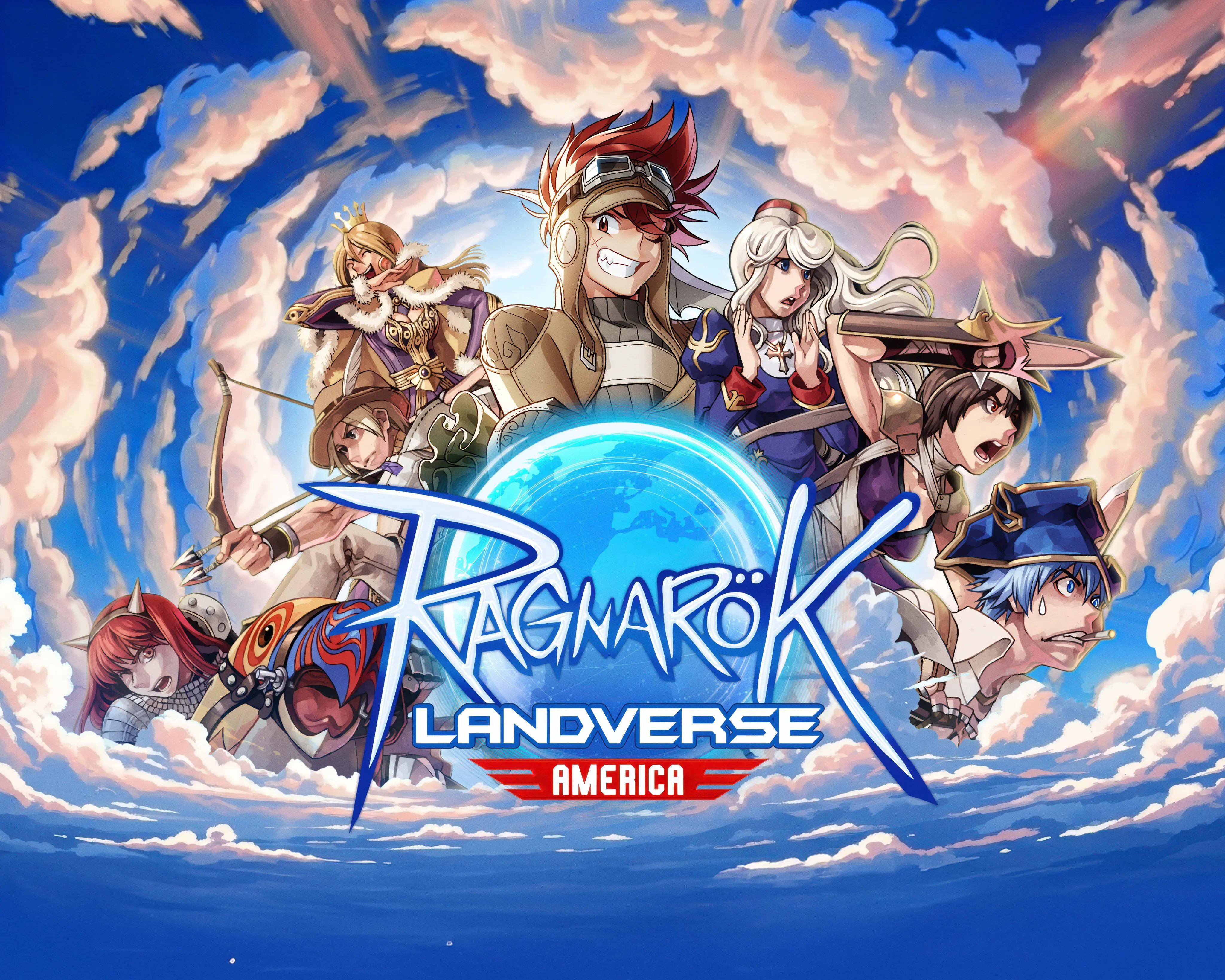
In that sense, Ragnarok Landverse Americas’ recent QoL communication is doing more than listing tweaks. It is setting expectations. This is not a fixed recreation of the past. It is a system positioning itself to adjust, correct, and modernize in public.
For a launch that sits between legacy MMO culture and Web3 infrastructure, that may be the most meaningful signal so far.